Backyard Hog Raising Guide for Beginners
A simple guide to raising pigs in a backyard setting, covering housing, feeding, health care, and basic management for small-scale farmers.
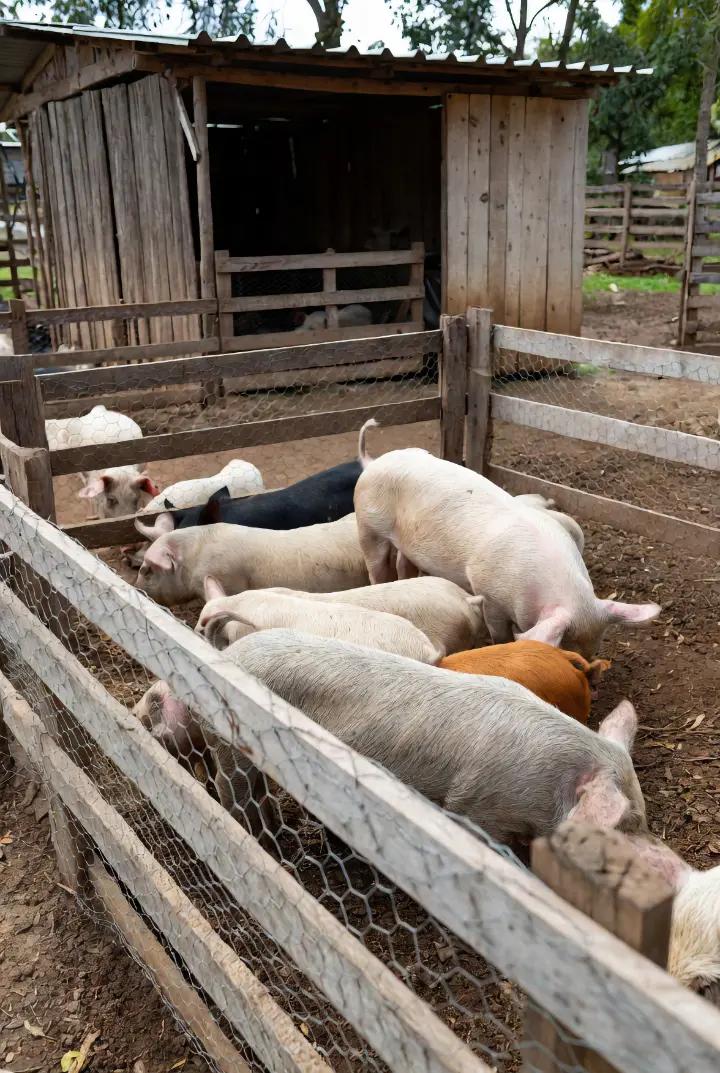
Overview
Backyard hog raising is a practical and profitable livelihood for small-scale farmers. With proper care, feeding, and management, raising pigs can provide a steady source of income and food for the family.
Housing and Pen Setup
A clean and well-constructed pig pen is essential for the health and growth of pigs.
- Provide proper shelter from sun and rain
- Ensure good drainage to keep the pen dry
- Maintain enough space for movement
- Clean the pen regularly
Choosing Piglets
Selecting healthy piglets is important for successful hog raising.
- Choose active and alert piglets
- Look for smooth skin and good body condition
- Avoid weak or sickly animals
- Buy from trusted breeders
Feeding Management
Proper feeding is key to fast growth and good meat quality.
- Provide balanced commercial feeds
- Feed pigs regularly at the same time each day
- Ensure clean drinking water is always available
- Avoid overfeeding or underfeeding
Health and Disease Prevention
Preventing disease is better than treating it.
- Keep the pen clean and dry
- Vaccinate pigs as recommended
- Isolate sick animals immediately
- Consult a veterinarian when needed
Daily Care and Monitoring
Regular monitoring helps detect problems early.
- Observe feeding behavior
- Check for signs of illness
- Monitor growth and weight
- Maintain proper hygiene
Marketing and Income
Proper planning helps maximize profit from hog raising.
- Sell pigs at the right market weight
- Monitor market prices
- Keep records of expenses and income
- Plan for continuous production
Benefits of Backyard Hog Raising
Backyard hog raising offers several advantages for farmers.
- Provides additional income
- Supports household food supply
- Requires relatively small space
- Can be started with minimal capital