Coconut Fertilization Guide for Better Yield
A practical guide on proper fertilization of coconut trees to improve growth, increase nut production, and maintain soil health.
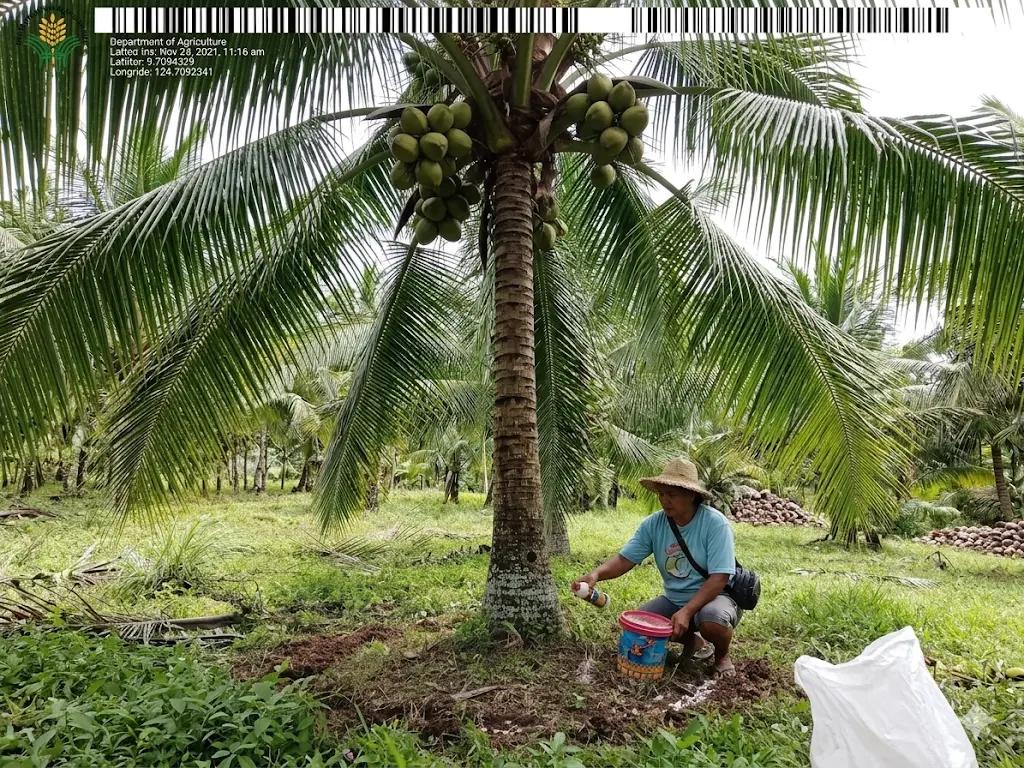
Overview
Proper fertilization is essential for healthy coconut trees and high nut production. Coconut trees require adequate nutrients from the soil, and regular fertilization helps maintain productivity and long-term farm sustainability.
Importance of Fertilization
Fertilizers provide the essential nutrients that coconut trees need for growth and fruit production.
- Improves tree growth and development
- Increases nut yield and quality
- Maintains soil fertility
- Supports long-term farm productivity
Types of Fertilizers
Farmers can use organic, inorganic, or a combination of both types of fertilizers.
- Organic fertilizers (compost, manure, salt)
- Inorganic fertilizers (urea, complete fertilizer)
- Coconut-specific fertilizer blends
- Use based on soil condition and availability
Proper Application Method
Applying fertilizer correctly ensures that nutrients are effectively absorbed by the coconut tree.
- Apply fertilizer around the root zone
- Avoid placing fertilizer directly at the trunk
- Spread evenly in a circular pattern
- Cover lightly with soil if needed
Fertilization Schedule
Regular fertilization ensures continuous nutrient supply to the trees.
- Apply fertilizer at least twice a year
- Best applied at the start and end of rainy season
- Adjust schedule based on soil and tree condition
Tips for Better Results
Following good practices improves the effectiveness of fertilization.
- Conduct soil testing if possible
- Combine fertilization with proper irrigation
- Maintain clean farm surroundings
- Use recommended fertilizer amounts
Increasing Productivity
Proper fertilization directly contributes to increased farm income.
- Higher yield of coconuts
- Improved nut quality
- Healthier and longer-living trees
- Better return on farming investment