Coconut Intercropping Guide for Higher Farm Income
Learn how to grow additional crops under coconut trees to maximize land use, increase farm income, and improve overall productivity.
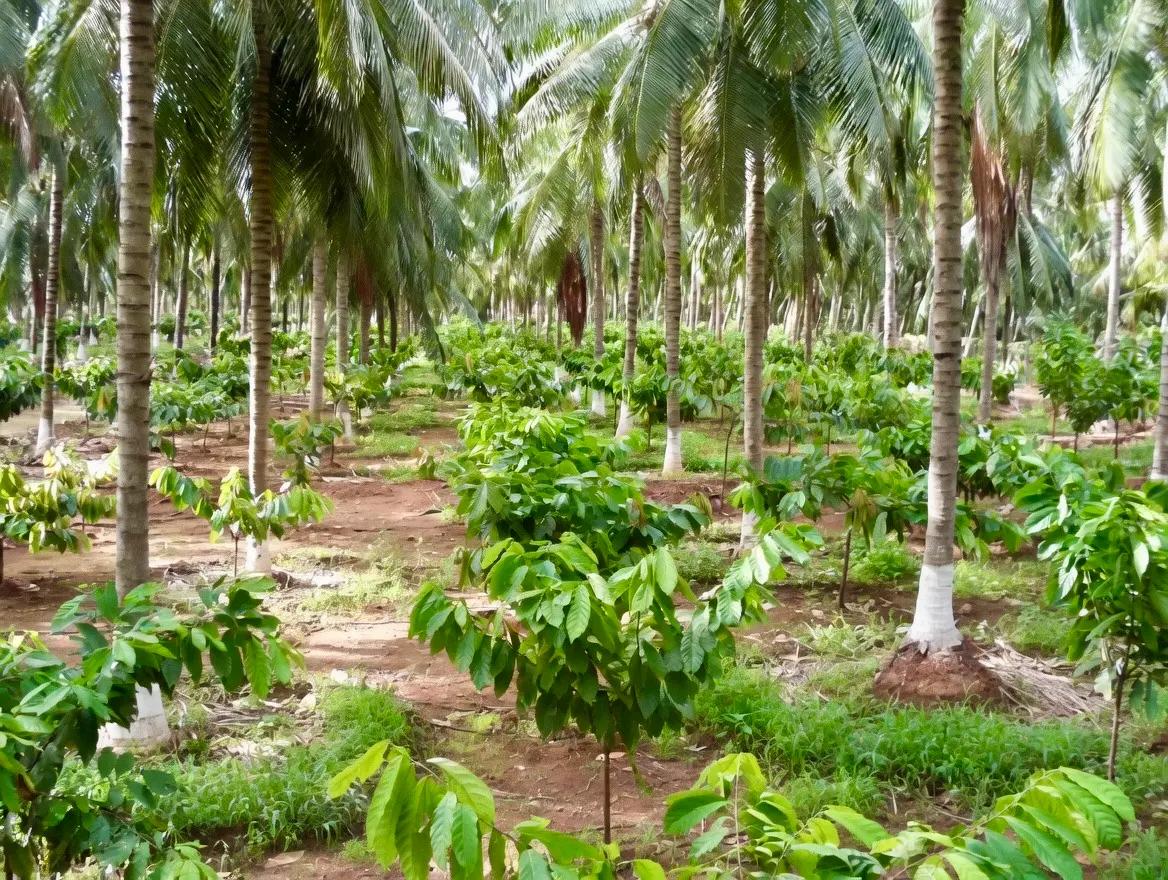
Overview
Coconut intercropping is the practice of growing other crops under coconut trees. This helps farmers maximize land use, increase income, and improve farm productivity without removing existing coconut trees.
Benefits of Intercropping
Intercropping provides several advantages for coconut farmers, especially those with limited land area.
- Increases farm income from multiple crops
- Maximizes use of available land
- Improves soil fertility and structure
- Reduces risk from relying on a single crop
Suitable Intercrops
Several crops can be grown under coconut trees depending on soil condition, sunlight, and water availability.
- Banana
- Corn
- Vegetables (eggplant, chili, leafy greens)
- Root crops (cassava, sweet potato)
- Cacao (in suitable shaded conditions)
Factors to Consider
Before planting intercrops, farmers should consider important factors to ensure success.
- Spacing of coconut trees
- Availability of sunlight
- Water supply
- Soil condition
- Market demand for intercrops
Proper Farm Management
Managing both coconut and intercrops requires proper planning and regular monitoring.
- Avoid overcrowding of crops
- Apply fertilizers based on crop needs
- Control weeds regularly
- Monitor pests and diseases
- Maintain proper spacing
Increasing Farm Income
Intercropping allows farmers to earn regularly while waiting for coconut harvests.
- Short-term crops provide quick income
- Diversified crops reduce financial risk
- Better use of idle farm spaces
- Opportunity to expand into small agribusiness